Just Over the Hill: The Towns Quietly Absorbing Brighton's Priced-Out Renters
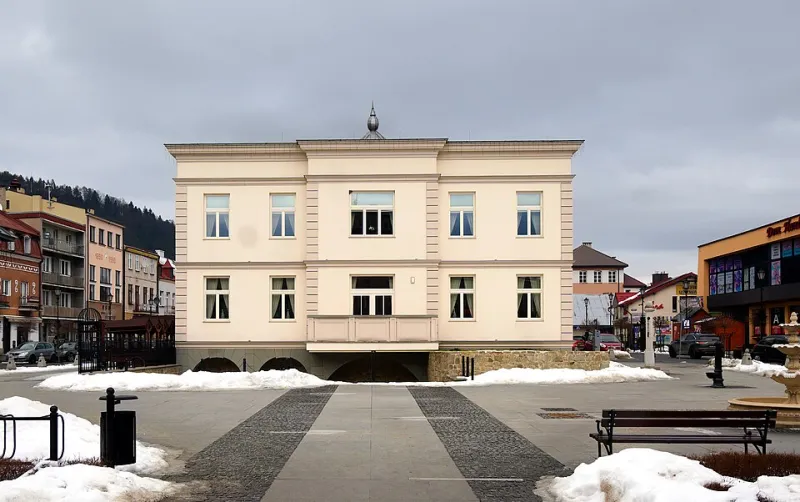
Photo: Igor123121, CC BY 4.0, via Wikimedia Commons
There's a conversation happening at kitchen tables across Brighton that rarely makes it into the property headlines. It goes something like this: the rent's gone up again, the commute is already brutal, and someone — usually a partner, a friend, or a sibling who made the move eighteen months ago — mentions a town you've vaguely heard of. Somewhere with a train station, a decent pub, and a two-bedroom flat that costs less per month than your current one-bed in Hanover.
This is Brighton's quiet exodus. Not dramatic enough for a newspaper splash, not visible enough to register as a crisis — but very real, and reshaping a ring of communities stretching from the Downs to the coast.
Why Brighton's Rental Market Is Doing the Pushing
Average asking rents in Brighton have climbed sharply over the past three years. A decent one-bedroom in the city now routinely sits above £1,200 per month, and anything with outdoor space or a second bedroom pushes considerably higher. For renters on ordinary salaries — teachers, NHS workers, retail staff, junior creatives — the maths simply stopped working.
The irony is that Brighton's appeal hasn't dimmed. Demand is as strong as ever. But that demand is now largely being met by people with higher incomes or those moving from London, where Brighton rents still look manageable by comparison. The people who grew up here, or who built lives here over a decade, are being quietly shuffled outward.
The Towns Picking Up the Pieces
Lewes is probably the most talked-about destination for Brighton refugees, and for good reason. It's fifteen minutes on the train, has its own strong identity, decent schools, and an independent high street that puts many cities to shame. Rents are lower — though the gap has narrowed as word has spread. The trade-off is that Lewes is small, the social scene is quieter, and if you work evenings or weekends in Brighton, that last train home matters a lot.
Burgess Hill doesn't have Lewes's cachet, but it has something arguably more useful: space. Families in particular have been heading here for a few years now, drawn by larger properties, more affordable rents, and a direct rail link into Brighton in under twenty minutes. It's not a destination in the way Lewes is, but for renters who spend most of their leisure time in Brighton anyway, that's not necessarily the point.
Hassocks and Plumpton sit in the corridor between Brighton and Haywards Heath and have attracted a specific type of relocator — often couples or young families who want a village feel without surrendering the commute entirely. The train journey is manageable, the countryside is genuinely beautiful, and there's a certain quality of life on offer that central Brighton simply can't match at any price.
Shoreham-by-Sea and Southwick offer a coastal alternative without the Brighton price tag. Shoreham in particular has developed a quietly creative community of its own, with studio spaces, independent cafés, and a riverside area that draws people in. The westward rail line into Brighton is reliable, and rents remain meaningfully lower — though they've been creeping upward as more people discover the place.
Portslade, technically still within the Brighton and Hove boundary but often overlooked, deserves a mention too. It's not glamorous, but it's genuinely affordable by local standards, and it's a short bus ride or cycle from the city centre. For renters who want proximity without the premium, it's one of the more practical options going.
What People Are Actually Trading Off
The honest answer is: it depends entirely on the person. For families with children, the trade-offs can feel surprisingly minor. More space, a garden, better schools, a quieter street — many report that the move improved their lives in ways they hadn't anticipated.
For younger renters, especially those without children, it's more complicated. Brighton's social fabric — its bars, venues, community events, the general sense of things happening — is genuinely harder to replicate. Commuting back in for a night out starts to feel like a logistical operation rather than a spontaneous decision. And there's a particular kind of loneliness that can come with landing in a town where you don't yet know anyone.
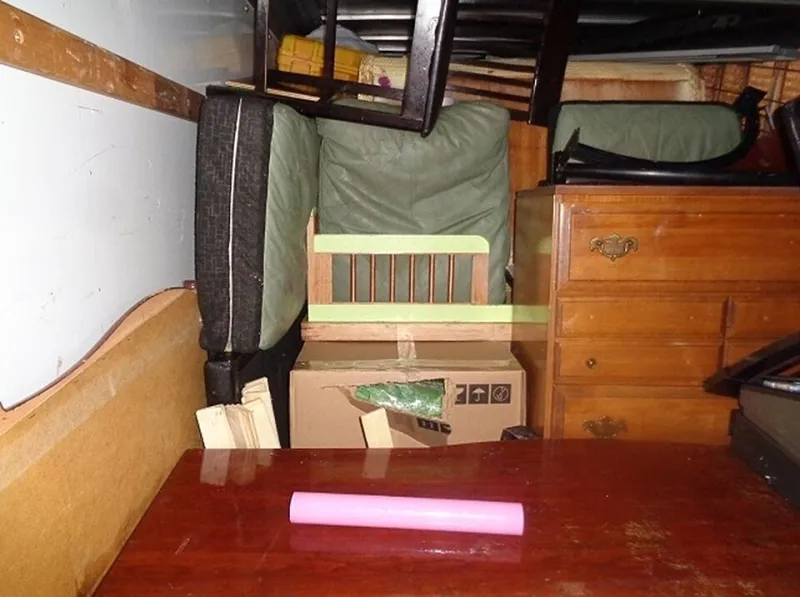
There's also a practical consideration that doesn't get discussed enough: the stuff. When people move out of Brighton — often from smaller flats into slightly larger places — they frequently acquire more furniture, more belongings, more of the domestic infrastructure that space allows. Then, when life changes again and they need to move back, or move on, they're dealing with significantly more volume than they started with. It's one of the reasons storage solutions in and around Brighton have seen steady demand from people in transit — using a secure unit as a staging post while they figure out the next step.
The Communities on the Receiving End
It would be wrong to frame this entirely as a Brighton story. The towns absorbing these renters have their own dynamics to navigate.
Lewes, for instance, has seen longstanding community concerns about affordability — the very thing that made it attractive to Brighton refugees is now under pressure as demand rises. Shoreham has watched its character shift as new residents arrive with different expectations of what a town should offer. These aren't straightforward gains for the places involved.
At the same time, the influx brings energy, spending, and often a genuine commitment to the community. Many people who leave Brighton reluctantly become the most passionate advocates for wherever they land. They start the community garden, join the residents' association, open the café that was missing. Migration, even reluctant migration, tends to produce engaged newcomers.
What This Means for How People Store and Move
For anyone navigating this shift — whether you're weighing up a move, mid-transition, or trying to figure out whether Brighton is still viable for you — the practical side is worth thinking through carefully. Moving out of the city rarely means a clean break. There are usually belongings in both places for a while, lease overlaps, furniture that doesn't fit the new space, and the general chaos of a life being rearranged.
Having flexible, accessible storage close to Brighton can take real pressure off that process. Rather than forcing every decision at once, it creates breathing room — somewhere to put the overflow while you work out what the new chapter actually looks like.
The exodus isn't dramatic. It's happening in removal vans on Tuesday mornings, in WhatsApp messages between friends, in the gradual emptying of flats that used to house people who can no longer afford to stay. But it's reshaping the geography of life around Brighton in ways that will take years to fully understand.