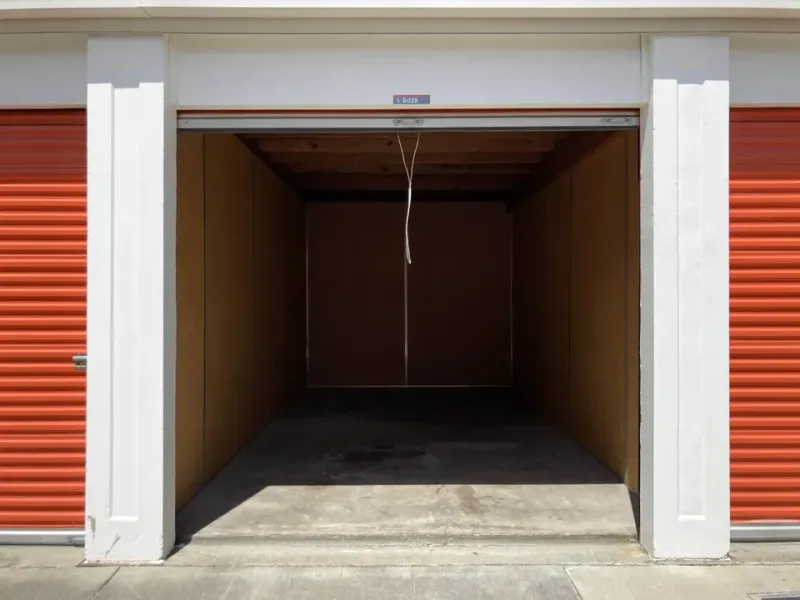
Whose Sofa Is It Anyway? The Ownership Tangles Hiding Inside Brighton's Storage Units
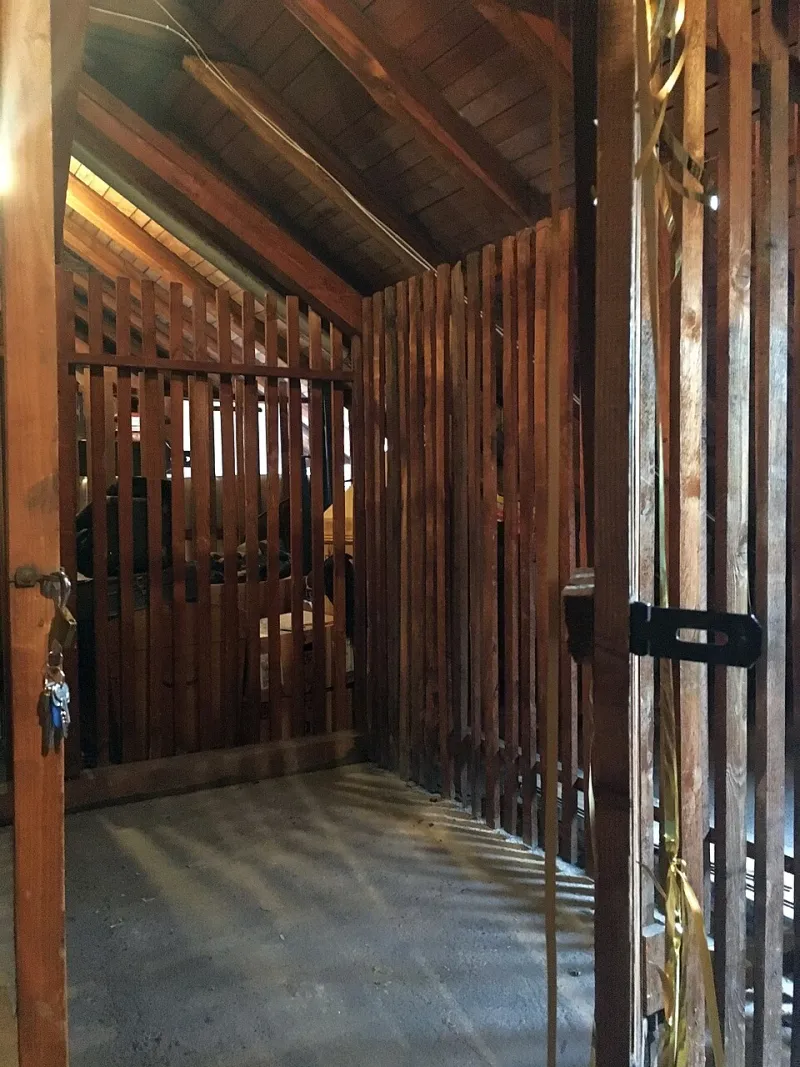
Photo: Pittigrilli, CC BY-SA 4.0, via Wikimedia Commons
There's a unit on a Brighton industrial estate — we won't say which — holding a three-piece suite, a dining table, and roughly forty boxes of someone's life. The couple who rented it split up eighteen months ago. Neither of them has paid since spring. And the storage company, quite reasonably, wants to know who they're dealing with.
This is not a rare situation. It's arguably the default situation. Walk through any storage facility in the city and you'll find units where ownership is, at best, a matter of interpretation.
The Contract Is the Law (Until It Isn't)
Here's the uncomfortable truth: whoever's name is on the rental agreement is the person the storage company recognises. Not the person who paid for the furniture. Not the person whose grandmother's china is in box 12. The name on the contract.
This matters enormously when things go wrong. Under a standard storage licence agreement, the named renter has what's often called a lien — a right to hold goods until fees are settled. If your ex-partner is the named renter and you're not, your legally binding claim to that wardrobe is, from the operator's perspective, roughly nothing.
That said, the operator can't simply sell your belongings the moment a payment bounces. Under the Torts (Interference with Goods) Act 1977, they must serve proper notice, give you a reasonable window to settle up, and follow the disposal process laid out in the contract. Most reputable Brighton operators give 14 to 28 days of warnings before auctioning anything. But once that process runs its course, your heirloom dresser can absolutely end up under a hammer.
The Break-Up Problem
Storage units are where relationships go to be archived. Solicitors in Brighton report the same pattern over and over: a couple separates, neither wants to keep the shared furniture immediately, so it goes into a unit — often rented in one person's name because that person happened to be holding the phone at the time.
Months later, one party wants the dining table back. The other has stopped paying. The storage company won't release anything without the named renter's authorisation, and the named renter has stopped answering calls.
The fix is boring but effective: sort ownership before the door closes. If both parties have a claim, put it in writing. Some couples even draw up a simple inventory with signatures — unglamorous, but it beats a small claims case over a bookcase.
Abandoned Units and the Auction Economy
Then there's the genuinely abandoned stuff. Operators deal with lapsed units through a well-worn sequence: reminders, final notices, then — if all else fails — auction. The operator is entitled to recover outstanding fees and reasonable costs from the sale proceeds; anything surplus should, in theory, find its way back to the defaulting renter.
Buyers at these auctions take a genuine gamble. There are stories of units yielding nothing but damp cardboard, and stories of vintage guitars and unopened flat-pack furniture. What there isn't, legally, is much sympathy for the original owner once the notice period has lapsed and the correct procedure has been followed.
What You Can Actually Do
A few practical points worth pinning somewhere sensible:
- Check whose name is on the agreement. If it needs to change — after a separation, a bereavement, a house move — do it in writing, now.
- Keep payment records separate from ownership claims. Paying the bills doesn't automatically make the goods yours.
- Read the lien clause before you sign. It tells you exactly how many days of silence stand between you and an auctioneer.
- If there's a dispute, act before the notices do. Once the formal process starts, your negotiating position shrinks by the week.
The padlock on a storage unit protects your things from strangers. It does nothing to protect them from each other. A bit of paperwork up front is the cheapest insurance in Brighton.