Next Door's Problem: How Neighbour Tensions Are Quietly Rewriting Brighton's Rental Decisions
It rarely makes the headlines, but the friction between neighbours is one of the most underreported forces shaping Brighton's property market. From noise complaints in converted terraces to loading bay disputes outside commercial units, the human dynamics of shared space are pushing landlords, tenants, and business owners into decisions they never expected to make.
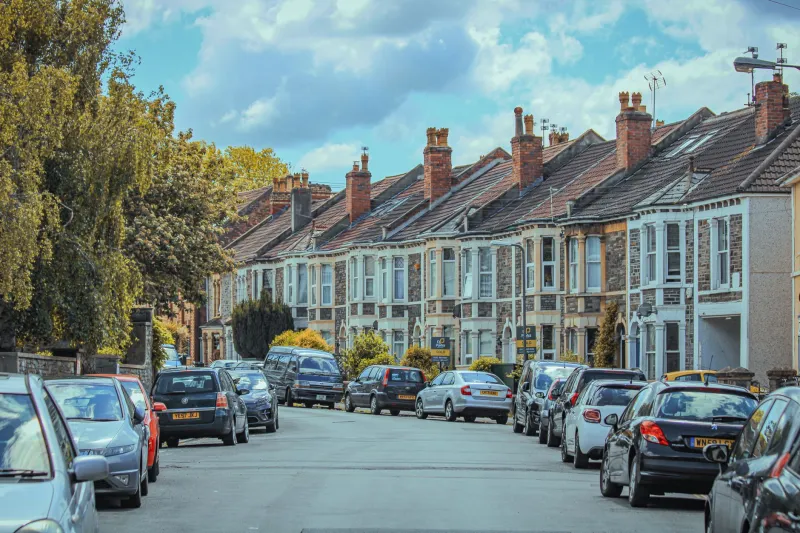
Brighton is a city built on density. Streets that were designed for Victorian families now house multiple households per building, and the gaps between residential and commercial use have narrowed to the point where they sometimes disappear entirely. That proximity creates community — and it creates conflict.
The Noise Problem Nobody Wants to Talk About
Speak to any letting agent operating in Brighton's inner suburbs — Hanover, Preston Park, Seven Dials — and noise complaints will come up within minutes. It's the single most consistent source of friction in the city's densely populated neighbourhoods, and it's having a measurable effect on how landlords manage their portfolios.
One landlord with a converted terrace in Hanover described spending the better part of a year navigating complaints from an owner-occupier next door, whose frustration with rotating student tenants had escalated into formal council complaints and, eventually, a solicitor's letter. "I wasn't doing anything wrong," she said. "But the stress of it made me seriously consider selling. I ended up putting most of the furniture into storage and listing it as a short-term let instead — fewer tenants, fewer complaints."
That shift — from long-term HMO to short-term furnished let — is increasingly common. It's partly driven by economics, but community friction is a bigger factor than most landlords publicly admit.
Commercial Tenants and the Community Cost
The tension isn't limited to residential streets. Brighton's commercial districts are full of properties where the use doesn't quite fit the neighbourhood, and where the resulting friction affects everything from lease negotiations to planning applications.
A food producer operating from a unit near a residential area on the city's eastern fringe found that complaints about early-morning deliveries were affecting their relationship with the landlord, even though the activity was entirely within the terms of their lease. "The landlord started talking about adding restrictions to the next renewal," they recalled. "We ended up taking a storage unit a mile away just to reduce the traffic outside the main premises. It solved the problem, but it added cost we hadn't budgeted for."
This kind of workaround — using off-site storage to reduce the visible footprint of a business and, by extension, the community friction it generates — is more common in Brighton than many people realise. It's a pragmatic solution, but it's also a symptom of a deeper mismatch between the city's commercial ambitions and its residential character.
How Disputes Affect Property Values
The financial impact of neighbour conflict on property values is difficult to quantify precisely, but it's real. Properties with a documented history of complaints — whether through council records, tribunal decisions, or online reviews for short-term lets — attract lower offers and take longer to sell or let. In Brighton's competitive market, where properties in desirable streets can command significant premiums, reputational damage has a direct monetary equivalent.
For storage facilities, the community dimension is slightly different but equally significant. A self-storage operation that generates complaints about access times, security lighting, or vehicle movements can find its planning consent reviewed or its operating hours restricted. Several facilities in and around Brighton have had to invest in acoustic screening, revised access arrangements, or community liaison processes — all of which add cost and complexity.
The Rise of Discreet Storage as a Community Response
One of the more interesting trends to emerge from Brighton's neighbour-tension landscape is the growing demand for genuinely discreet storage solutions. Not just secure — discreet. Facilities that don't generate foot traffic, don't advertise their presence loudly, and don't create the kind of comings-and-goings that attract attention.
This demand is coming from a surprisingly diverse group of users. Landlords storing furniture between tenancies want to avoid the appearance of a property in flux. Businesses operating from residential areas want somewhere to hold stock without it piling up in a way that irritates neighbours. Individuals going through separation or downsizing want somewhere to store their belongings without the whole street knowing about it.
The common thread is a desire to manage the social optics of a property situation, not just the practical logistics. Storage, in this context, becomes a tool for managing community relationships as much as a solution to a space problem.
What Good Landlords Do Differently
The landlords who navigate Brighton's community dynamics most successfully tend to do a few things consistently.
They communicate proactively. Rather than waiting for a complaint, they introduce themselves to neighbouring residents or businesses when a new tenancy begins. It sounds basic, but it changes the dynamic significantly. A neighbour who knows who to call is far less likely to go straight to the council.
They set clear expectations with tenants. Noise, waste, visitor behaviour — these things need to be addressed explicitly in the tenancy, not left to chance. Landlords who rely on goodwill rather than clear agreements tend to be the ones who end up in disputes.
They take complaints seriously and quickly. The worst outcomes in Brighton's neighbour-dispute cases almost always involve a landlord who was slow to respond to early warning signs. A complaint that's addressed promptly rarely escalates. One that's ignored almost always does.
Brighton's Particular Character
It's worth acknowledging that Brighton has a particular social character that shapes these dynamics in specific ways. It's a city with strong community identities at the neighbourhood level — residents in Fiveways or Elm Grove have a different sense of place than those in Hove or the Marina. Landlords who understand those local cultures tend to make better decisions about how to manage their properties within them.
The city's diversity of use — the way residential, creative, commercial, and leisure spaces sit cheek by jowl — is part of what makes Brighton interesting. But it's also what makes the neighbour question so persistent. Managing that tension well isn't just good ethics. In a market as interconnected as Brighton's, it's good business.