Hidden in Plain Sight: The Untapped Space Brighton Property Owners Keep Ignoring
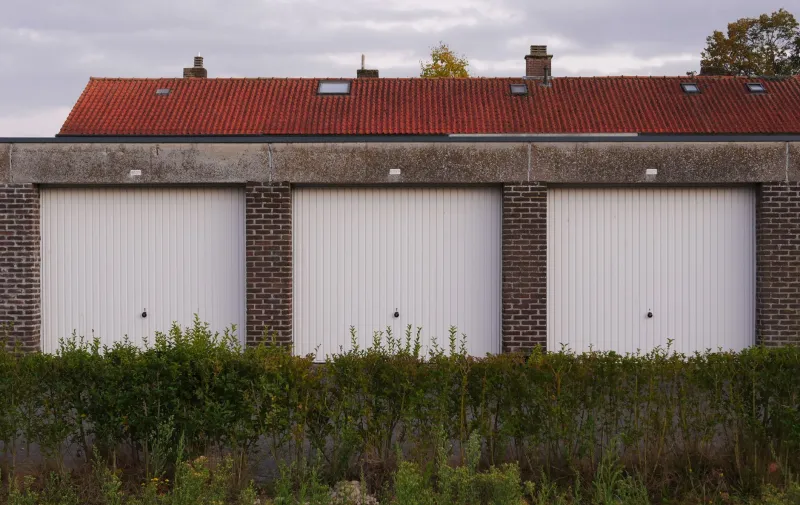
There's a garage on Ditchling Road that hasn't housed a car in eleven years. It stores a broken exercise bike, three boxes of Christmas decorations, and what the owner describes as "a lot of regret about buying a Dyson that doesn't work." Meanwhile, the same owner complains every month about the cost of living in Brighton.
This isn't unusual. Across the city, from the Hanover terraces to the wide-plot semis out towards Portslade, property owners are routinely overlooking space that could be generating steady income. Spare rooms. Garden studios. Outbuildings. Garages. Even land. The question isn't whether these spaces have value — they almost always do. The question is why so many people haven't got around to doing anything about it.
The Psychology of the Unused Room
Property experts talk about something called "ownership inertia" — the tendency to let things drift simply because changing them requires effort and decision-making. It's not laziness exactly. It's more that the status quo feels safe, even when it's costing you money.
For a lot of Brighton homeowners, unused space gets mentally filed under "I'll deal with that eventually." The garage becomes a dumping ground. The loft conversion that was meant to become a home office stays half-finished. The garden outbuilding that was supposed to be a studio ends up full of garden furniture that no longer fits outside.
None of this space is generating anything. But it could be.
There's also a reluctance to invite strangers into what feels like personal territory. Renting out a room or a building means engaging with tenants, contracts, and a degree of responsibility that some owners would rather avoid. That's understandable. But it's worth separating the emotional resistance from the financial reality.
What's Actually Worth Renting in Brighton?
Let's get practical. Not all unused space is created equal, but Brighton's particular mix of high demand and limited supply means the bar is lower than most owners assume.
Garages and lock-ups are consistently undervalued. In areas where on-street parking is a nightmare — think Kemptown, Preston Park, Seven Dials — a lockable garage can command between £100 and £250 per month with minimal effort. You don't need to do much beyond clearing it out and getting a decent padlock.
Garden outbuildings with electricity and insulation are increasingly attractive to the city's freelance and creative workforce. Someone who needs a quiet place to work three days a week doesn't necessarily want a full office lease. A converted outbuilding rented informally or through a short-term arrangement can bring in £300–£600 a month depending on spec and location.
Spare rooms under the government's Rent a Room scheme allow you to earn up to £7,500 per year tax-free. That's a meaningful figure for anyone feeling the squeeze of Brighton's living costs, and the scheme is far simpler to navigate than most people expect.
Land and driveways are perhaps the most overlooked asset. Parking in central Brighton is genuinely difficult. A private driveway rented out via a parking platform can generate several hundred pounds a year for doing precisely nothing.
Three Brighton Owners Who Did Something About It
Take Sarah, who owns a mid-terrace in Hanover. For years she used her ground-floor back room as a junk room. After a conversation with a neighbour, she cleared it out, put a single bed in, and listed it on a room-rental platform. Within a fortnight she had a quiet postgraduate student paying £650 a month. "I kept thinking it wasn't good enough," she says. "Turns out someone just wanted a room near the university and didn't care about the slightly dodgy wallpaper."
Then there's Marcus, who inherited a property in Hove with a large rear outbuilding — essentially a brick workshop — that had been used for storage since the 1980s. After getting it rewired and adding basic insulation, he approached a local ceramics collective who were looking for studio space. They now rent it on a rolling monthly basis. "It's not a fortune," Marcus admits. "But it covers my insurance, my council tax, and then some. Space that was costing me money is now earning it."
Finally, consider Priya, who owns a small commercial unit near the North Laine that she'd been using partly as overflow storage for her retail business. After reassessing what she actually needed to keep on-site, she freed up half the unit and sublet the remaining space — with landlord permission — to a photographer needing occasional studio access. The arrangement is informal but documented, and it's cut her occupancy costs significantly.
First Steps: Assessing What You've Got
If any of this is making you think about the garage or the spare room differently, here's a simple framework for getting started.
Step one: Walk the property as if you're seeing it for the first time. What's actually there? What's being used? What's just accumulating? You'll often surprise yourself.
Step two: Think about what the space could become with minimal investment. You don't need to build anything or spend thousands. A clean, dry, accessible space is often enough to attract interest.
Step three: Research comparable listings in your area. Look at what garages, rooms, and studios are going for nearby. The Brighton rental market is active enough that you'll find comparables quickly.
Step four: Get the paperwork right before you do anything. If you have a mortgage, check whether renting additional space requires notification to your lender. If you're subletting commercial space, check your lease. Getting this wrong is avoidable — getting it right is straightforward.
Step five: Start small. A short-term arrangement or a trial period is far less daunting than committing to a long tenancy. Many successful rental arrangements in Brighton started as informal trials that simply continued because they worked.
The Bigger Picture
Brighton has a genuine space problem. Demand for affordable working space, storage, and accommodation consistently outpaces supply. That imbalance is frustrating for renters — but it's an opportunity for owners who are willing to look at their properties with fresh eyes.
The exercise bike on Ditchling Road is still there. The Christmas decorations are still in their boxes. But they don't have to be. Sometimes the most valuable thing you own is the space around the stuff you've forgotten you kept.