Cold Comfort: What Brighton's Quietest Property Months Can Actually Do for Landlords Who Pay Attention

Ask most Brighton landlords when they'd rather be dealing with their properties and they'll probably say spring. Maybe early summer. The market feels active, viewings are easy to arrange, tenants are motivated, and there's a general sense that things are moving. Nobody really wants to be negotiating leases or managing voids in January.
But that instinct — understandable as it is — means a lot of landlords are missing the counter-intuitive opportunities that the slower months consistently offer. Winter in Brighton isn't dead time. It's different time. And different, if you approach it correctly, can work very much in your favour.
Understanding the Rhythm of Brighton's Property Year
Brighton has a more pronounced seasonal property rhythm than many UK cities, partly because of its tourism economy and partly because of its large student population. These two forces shape when people move, when demand spikes, and — crucially — when it doesn't.
The residential market tends to heat up in late February and March, peaks through spring and early summer, cools slightly in August (when everyone's either away or distracted), picks up again in September as students and young professionals look to relocate, and then quietens meaningfully from November through January.
The commercial market follows a slightly different pattern but shares the same broad contours. Businesses tend to make major decisions — including taking on new premises — around the start of the financial year or in Q3 when planning for the following year. Mid-winter is often a period of review and intention rather than action.
For storage, the pattern is almost inverse: demand spikes around moving season (spring and autumn) and around Christmas (people needing somewhere to put things temporarily), with a lull in the deep winter months.
Knowing this isn't just trivia. It's the foundation for making smarter decisions.
The Case for Making Moves in Winter
Here's the counter-intuitive truth: the months when the market feels slowest are often the best time to negotiate, to renovate, and to reposition.
Negotiating leverage shifts in winter. When demand is lower and competing tenants are fewer, prospective renters — whether residential or commercial — have more room to negotiate. But so do landlords in a different sense: they're dealing with genuinely motivated prospects. Someone searching for commercial space in January isn't browsing. They need something. That seriousness can make negotiations more productive, even if asking prices need to flex slightly.
Trade availability is dramatically better. If you've been putting off repairs, a bathroom refurb, or getting a commercial unit repainted and reconfigured, winter is the time. Brighton's trades are significantly more available between November and February. You'll get faster quotes, more competitive pricing, and work completed without the delays that are almost guaranteed if you try to book anyone decent in April or May. Landlords who renovate in winter are ready for spring — the ones who wait until spring are scrambling.
Void periods can be shorter than they look. A void in November that runs to January isn't necessarily worse than a void in August that runs to October. The key is whether you're using the void period productively. A property that's been refreshed, re-listed with better photography, and priced correctly for the season will find a tenant. One that's just sitting there while the landlord waits for "the market to pick up" is a different story.
What the Seasonal Shift Means for Commercial Landlords Specifically
For those managing commercial space in Brighton, winter brings a particular dynamic worth understanding. Businesses that are struggling — and there are always some — tend to surface their problems in Q4. They start having conversations about whether they can sustain their current space, whether they need to downsize, whether they can renegotiate terms.
That's uncomfortable for everyone, but it creates an opening. A landlord who's willing to have a frank conversation in November — about adjusted rents, shorter terms, or a temporary payment arrangement — is far more likely to retain a tenant than one who holds the line until the lease falls apart in February. Retention is almost always cheaper than finding a replacement tenant.
At the same time, businesses that are planning for growth tend to do their groundwork in winter even if they don't move until spring. Getting your commercial space listed and visible in December and January — rather than waiting until March — means you're in front of decision-makers while they're still in planning mode. By the time spring arrives, you could already have heads of terms agreed.
Storage Demand: The Winter Anomaly
Storage is worth treating separately because its seasonal pattern has a quirk that catches people out. December sees a genuine spike in demand — people needing short-term storage around Christmas, families managing overflow, small businesses holding extra stock. That spike drops sharply in January and February.
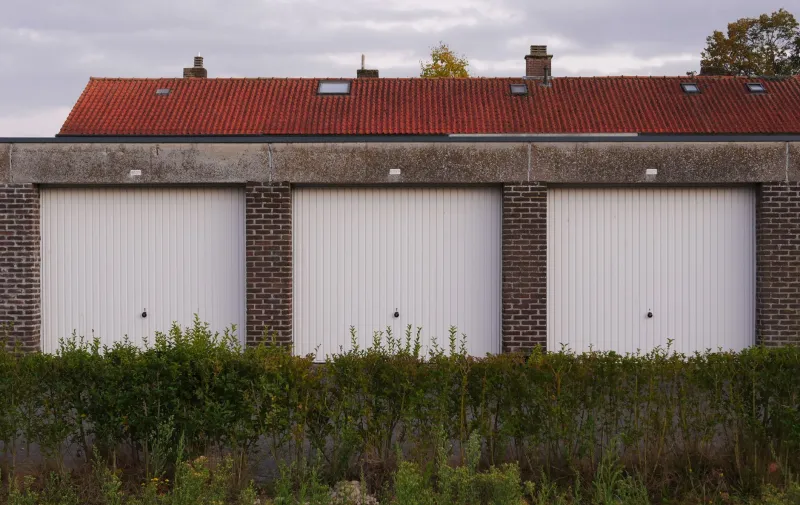
But here's what many storage operators and private landlords renting outbuildings or garages don't realise: the people who take on storage in January are often the most stable, long-term customers. They're not moving house or managing a seasonal rush. They're businesses or individuals with a genuine ongoing need. Targeting that quieter market with slightly more flexible terms — a shorter initial commitment, a reduced first month — can lock in tenants who'll stay for years.
The Renovation Window: A Brighton-Specific Argument
Brighton's housing stock is old. A significant proportion of the city's rental properties are Victorian and Edwardian terraces, period conversions, and older commercial units that require ongoing maintenance. Deferring that maintenance to "a better time" is a habit that ends up costing more than it saves.
The winter window — roughly mid-November to mid-February — is genuinely the best time to get work done in Brighton. Not just because trades are available, but because tenants are less likely to be disrupted by works if the property is vacant, and because you can price and plan accurately without the seasonal premium that inflates costs in busier months.
Landlords who treat this window as dead time are leaving money on the table. Those who use it to bring properties up to standard are the ones who achieve better rents and lower voids when the market does pick up.
Reading the Calendar, Not Just the Market
The broader point is this: Brighton's property market isn't a single thing that's either "on" or "off." It moves in patterns, and those patterns reward landlords who pay attention.
Winter isn't the time to switch off. It's the time to negotiate, renovate, plan, and position. The landlords who'll get the best results from spring and summer are the ones who did their groundwork when everyone else was waiting for the weather to improve.
Your property doesn't stop working in winter. Neither should you.