Pack It Away, Pull It Out: How Brighton's Seasonal Businesses Are Using Storage to Stay Solvent All Year Round
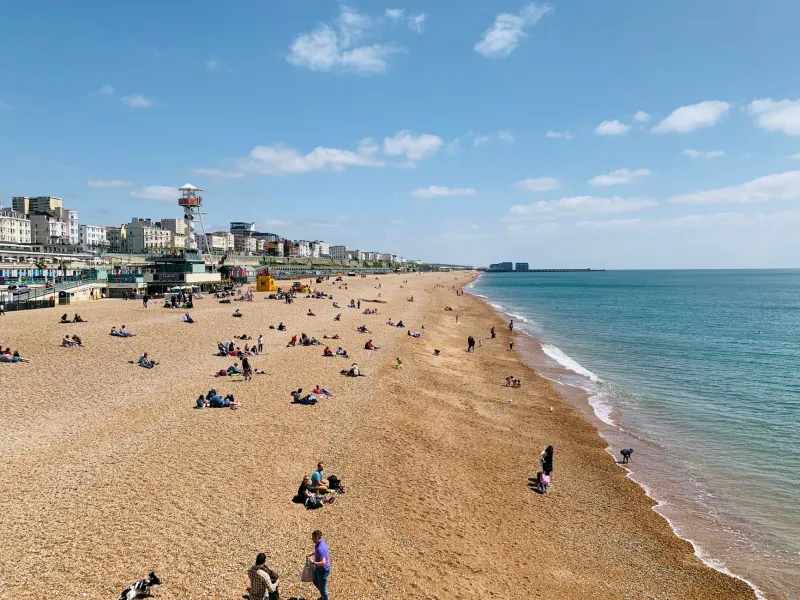
Anyone who's walked along Brighton seafront in August knows the feeling. It's heaving. Ice cream queues snake past the pier, beach hire operators are doing roaring trade, and every restaurant from Hove to Kemptown has a waiting list. Then November arrives, the wind picks up off the Channel, and half those businesses are staring at empty tables and stock rooms full of things they can't shift.
Brighton's seasonal economy is one of the most dramatic in the UK. The gap between a July weekend and a January Tuesday isn't just noticeable — it can be the difference between a profitable year and a painful one. And for the businesses caught in the middle, the question of what to do with all that stuff — the stock, the equipment, the furniture, the signage — is more pressing than most people outside the industry would ever imagine.
Flexible storage has quietly become part of the answer. Not glamorous, not particularly exciting, but genuinely useful in a way that's hard to overstate once you've seen the numbers.
The Crunch Point No One Talks About
Here's the thing about seasonal demand: it doesn't just affect your revenue. It affects your space. A beach hire company in the off-season is suddenly a company with fifty deckchairs, thirty windbreaks, and a dozen parasols sitting in whatever storage they've managed to cobble together. A restaurant that does three sittings a night in July might be running a skeleton service by February — and yet still paying for the same square footage, the same back-of-house space, the same overstuffed storeroom.
For businesses operating in Brighton's prime seafront and North Laine areas, commercial rents don't flex with the seasons. Your landlord isn't offering a summer rate and a winter rate. You're paying twelve months whether you need the space or not.
This is where flexible storage starts to make real financial sense. Rather than locking up expensive commercial square footage with seasonal stock, more businesses are moving that overflow off-site — into short-term, scalable storage units — and only pulling it back when the season demands it.
The Beach Vendor Problem
Talk to anyone who runs a seafront operation in Brighton and they'll tell you the same story. The season is roughly May to September, with a few good weekends either side if you're lucky. Outside of that window, you're either storing your equipment somewhere sensible or you're paying commercial rates for a space that's essentially become a very expensive shed.
One approach that's gaining traction is using nearby storage units during the off-season rather than keeping everything on-site. It sounds obvious, but plenty of small operators have historically just crammed everything into their commercial unit year-round, eating the cost without really questioning it. Moving seasonal stock — inflatables, hire equipment, display units, branded merchandise — into a dedicated storage facility during quieter months means you're not paying prime Brighton commercial rates to house things that won't be touched until April.
The key is flexibility. Monthly rolling contracts rather than long-term leases mean you can scale up storage space as the season approaches and scale back down when it ends. That kind of adaptability is genuinely valuable when your cash flow looks like a rollercoaster.
Restaurants and the Inventory Surge
It's not just beach-facing businesses that feel the squeeze. Brighton's food and drink scene is heavily affected by tourist season, and the logistical ripple effects go further than most diners would ever consider.
A restaurant doing 200 covers a night in peak summer needs more of everything — more crockery, more glassware, more linen, more everything. Some of that gets bought seasonally and needs somewhere to live in the quiet months. Outdoor furniture is the obvious one: terrace sets, heaters, umbrellas, barriers. In summer, they're in constant use. In winter, they're taking up space inside a building you're already struggling to justify the rent on.
Moving seasonal catering equipment and furniture into off-site storage during winter isn't a new idea, but the availability of flexible, month-to-month units in and around Brighton has made it more accessible than it used to be. You're not committing to a year-long storage contract to deal with a six-month problem.
The Cash Flow Argument
The financial logic is worth spelling out, because it's not always immediately obvious. At first glance, paying for storage on top of your existing commercial space feels like adding a cost. But look at it differently: if you can take on a smaller commercial unit because you're not storing seasonal overflow on-site, the maths can work in your favour.
Or consider the alternative — a larger unit that covers your peak-season needs all year round. You're paying for that extra space through twelve months, even though you only need it for five or six. A smaller commercial footprint plus flexible storage that scales with your season can genuinely be cheaper overall, and it keeps your fixed costs lower during the months when revenue is tight.
For newer businesses or those still finding their feet, keeping fixed overheads manageable through winter isn't just sensible — it can be the thing that keeps them trading at all.
Not Just Retail and Hospitality
It's worth noting that the seasonal storage challenge isn't exclusive to seafront traders and restaurants. Brighton's events industry faces the same thing. Businesses that run outdoor markets, festivals, or seasonal pop-ups need somewhere to store gazebos, stalls, display equipment, and branded materials between events. Independent retailers who do a roaring trade at Christmas and summer craft fairs have the same overflow problem in the quieter months.
Even service businesses feel it. A company that ramps up staffing for the summer season might need temporary office furniture, extra IT equipment, or additional filing solutions that simply don't have a home in the off-season.
Making It Work Practically
The businesses getting this right tend to share a few habits. They think about storage as part of their operational planning rather than an afterthought. They choose facilities that are accessible — because there's no point in off-site storage if retrieving something takes half a day. And they look for month-to-month flexibility rather than long annual contracts, which means they're not locked in if their needs change.
Location matters too. Storage that's a twenty-minute drive from your premises is fine for things you won't need until next May. But if you're regularly dipping in and out, somewhere closer to central Brighton makes the whole system actually work in practice.
The Bigger Picture
Brighton will always be a seasonal city. The weather, the tourism calendar, the student cycle — all of it creates peaks and troughs that businesses here have to navigate. The ones that manage it best aren't necessarily the ones with the deepest pockets. They're often the ones who've thought carefully about how they use space, and who've found ways to make their overheads flex with their income rather than working against it.
Flexible storage isn't a magic solution. But as part of a broader strategy for managing the Brighton seasonal swing, it's one of the more practical tools available — and it's one that more businesses here are quietly putting to work.