Bend or Break: Why Brighton Landlords Who Refuse to Budge on Lease Terms Are Losing Out

There's a particular kind of stubbornness that can look, from the outside, like confidence. A landlord with an empty unit on a busy Brighton street, holding out for a five-year lease, a personal guarantee, and full market rent — it reads like a negotiating position. Sometimes, though, it's just an empty unit.
The conversation around commercial property in Brighton has shifted considerably over the past few years. Tenants — particularly the independent retailers, freelancers, and small operators who give this city so much of its character — are no longer willing to sign their lives away for the privilege of a draughty shopfront near the Lanes. They want flexibility. And landlords who can't or won't offer it are increasingly finding themselves on the wrong side of the vacancy statistics.
What Tenants Actually Want Right Now
Ask almost any small business owner in Brighton what they need from a commercial let and the answer tends to come back the same way: room to breathe. Not just physically, but contractually.
The pandemic scrambled a lot of assumptions about how businesses grow and shrink. A café that looked stable in 2019 might have pivoted to a takeaway model, then back again, then gone hybrid. A creative studio that needed 1,500 square feet pre-lockdown might now work perfectly well from 600. Planning three to five years ahead — which is what a traditional lease effectively demands — feels increasingly unrealistic for businesses operating in a climate that can change quarter to quarter.
Break clauses, rolling monthly arrangements, and shorter initial terms have gone from being edge-case requests to standard opening positions in lease negotiations. Tenants aren't asking for charity. They're asking for contracts that reflect how businesses actually operate in 2024.
The Landlords Who Listened — and What Happened Next
Some Brighton property owners have caught on. The results, by most accounts, have been quietly impressive.
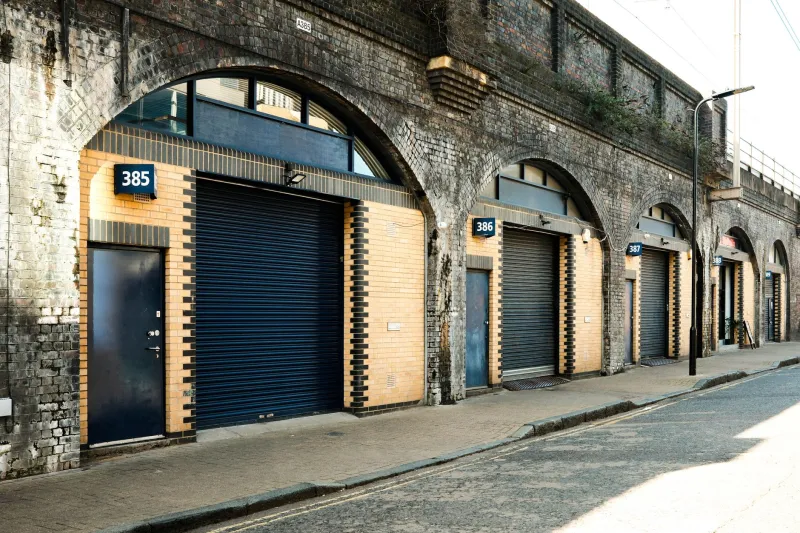
Take the cluster of small commercial units near Brighton station that sat partially vacant through much of 2022. When the management shifted strategy — offering initial one-year terms with options to extend, alongside modest incentives like a rent-free fit-out period — occupancy improved within a matter of months. The tenants who moved in weren't risky fly-by-nights. They were small businesses that simply couldn't commit to a longer term without some evidence that the location would work for them.
Elsewhere, a handful of landlords with mixed-use buildings have started offering what amounts to seasonal flexibility — particularly useful in a city like Brighton where footfall patterns shift dramatically between summer and winter. A retail tenant paying a slightly higher per-square-foot rate in exchange for a lease that acknowledges the seasonal reality of their trade is, in many cases, a more reliable occupant than one locked into a fixed annual rent they'll struggle to meet in January.
The logic isn't complicated. A tenant who feels the lease is working for them — rather than against them — tends to look after the space better, communicate more openly when problems arise, and stay longer than the original short term suggested they might.
The Risk Argument — and Why It's Weaker Than It Looks
The counterargument from landlords is understandable. Longer leases provide income certainty. They make it easier to secure financing, satisfy lenders, and plan for maintenance and reinvestment. A tenant on a rolling monthly arrangement can, in theory, be gone by the end of next month.
But this argument only holds up if the alternative is a long-term tenant rather than no tenant at all. An empty unit generates no income, accumulates business rates liability in many cases, and deteriorates faster than an occupied one. The theoretical security of a five-year lease is worth very little when nobody's willing to sign it.
There's also the question of what kind of tenants long, inflexible leases tend to attract in a market like Brighton's. Established chains with national covenant strength aren't exactly queuing up for every available unit on Western Road. The realistic tenant pool for most Brighton commercial spaces is made up of exactly the kind of businesses — independent, agile, still finding their feet — that are most likely to balk at rigid terms.
Break Clauses Aren't a Concession — They're a Tool
One of the more useful reframes happening in Brighton's commercial property conversations is the repositioning of break clauses. For years, landlords treated them as something you grudgingly offered when a deal was otherwise falling through. Increasingly, savvy property owners are building them in from the start — and using them as a genuine selling point.
A three-year lease with a mutual break at eighteen months isn't a weak contract. It's a contract that acknowledges both parties are taking a bet on the relationship working out. If it does — and it often does — both sides benefit from the security of the remaining term. If it doesn't, neither party is trapped in something that's turned adversarial.
For Brighton landlords managing multiple units, this approach also creates natural review points. Rather than waiting for a lease expiry to reassess rents or conditions, break clauses create built-in opportunities to have an honest conversation about what's working.
Storage as a Stopgap — and Sometimes a Strategy
It's worth noting that some landlords have found an unexpected middle ground by converting temporarily vacant commercial units into managed storage space. It's not a permanent solution, and it doesn't work for every property type, but for a unit that might otherwise sit empty for six to twelve months while a longer-term tenant is found, short-term storage lets can cover costs and keep the space in reasonable condition.
Brighton's demand for commercial storage — from small businesses needing overflow space to individuals between moves — is consistent enough that this approach has become genuinely viable for some property owners. It's a useful reminder that flexibility isn't only about lease length. It's about thinking creatively about what a space can do while you're waiting for the right long-term arrangement.
The Bigger Picture
Brighton's commercial property market has always been a little different from the national norm. The city's economy runs on independents, creatives, and small operators in a way that most places don't. The spaces that thrive here tend to be the ones that understand that dynamic — that treat tenants as partners in making a building work rather than signatures on a contract.
Landlords who've started offering genuine flexibility aren't giving something away. They're adapting to the market they're actually in, rather than the one they'd prefer to be in. And in a city where the gap between an occupied unit and a shuttered one can come down to a single clause in a lease document, that adaptability might be the most valuable asset a property owner has.