The Spare Rooms Are Full: Why Brighton's Over-Fifties Aren't Moving Anywhere
Photo: Kenneth Paik, Public domain, via Wikimedia Commons
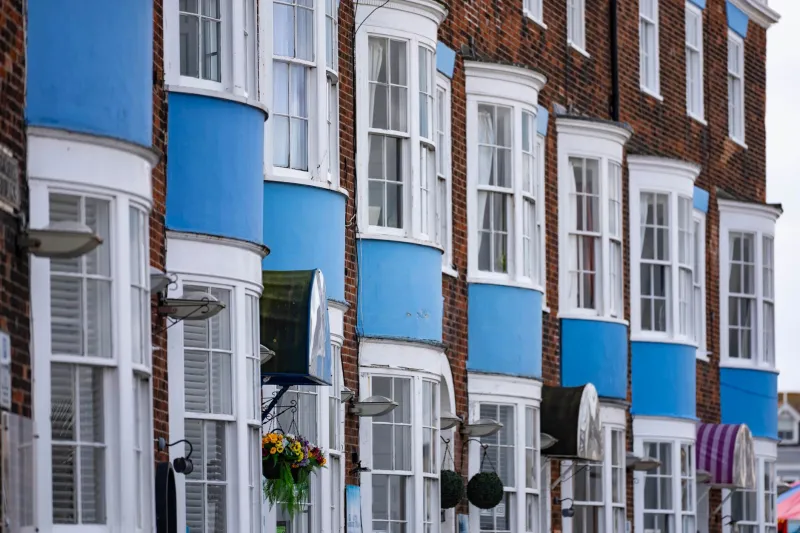
Walk down any residential street in Brighton — Fiveways, Patcham, the roads winding up off Ditchling Rise — and you'll pass house after house where two people live in four or five bedrooms. The children left years ago. The loft is full. There's a dining room nobody has eaten in since a Christmas nobody mentions.
Meanwhile, younger renters and families are circling the same streets, unable to get on the ladder. The homes exist. The people in them just aren't moving.
The Economics of Staying Put
The popular explanation is sentiment, and there's some truth in it. But the stronger force is financial. Moving house in England now costs a small fortune: stamp duty on a Brighton purchase can run into five figures, plus estate agent fees, legal costs, and removals. For a couple in their late fifties selling a £700,000 house and buying a £400,000 flat, the transaction costs alone can swallow £25,000 or more.
Then there's the receiving end. Flats carry service charges that can dwarf the running costs of a paid-off house. A retiree trading a mortgage-free semi for a leasehold apartment isn't just downsizing space — they're signing up to an annual bill that lasts as long as they do.
When you run those numbers, staying put looks less like inertia and more like a rational financial decision. The house is the pension, and cashing it in has fees.
The Sentiment Nobody Priced
Still, money isn't the whole story. A family home holds decades of accumulated identity — the height marks on the doorframe, the garden that took twenty years to get right. Estate agents will tell you that older sellers in Brighton often price high precisely so the move doesn't happen. The asking price is a comfort blanket, not a strategy.
There's also a genuine fear about what comes after. Downsizing means deciding what to keep, and Brighton's over-fifties are, by and large, people who've accumulated a proper amount of stuff. The thought of sorting forty years of belongings into 'keep', 'sell', and 'skip' is enough to postpone the whole project indefinitely.
Where Storage Changes the Maths
Here's the practical lever, and it's an underrated one. A lot of downsizing stalls not because of the new property but because of the transition — the fear that everything must be decided at once.
A storage unit breaks that deadlock. Move the furniture you can't part with into storage, downsize into the flat, and make decisions over six calm months instead of one frantic fortnight. It converts an all-or-nothing decision into a staged one, and staged decisions are ones people actually make.
The same logic applies to the emotional side. A loft's worth of family archives doesn't need to be triaged under moving-day pressure. It can wait, boxed and indexed, until the owner is ready.
What Might Actually Shift It
The logjam will loosen through a mix of things: stamp duty reform, better leasehold terms, more appealing later-living housing stock in the city — and, honestly, time. But for individual households, the answer is less grand. Downsize on your own schedule, use storage to buy yourself decision-making room, and don't let the perfect floor plan stop you from a good one.
Brighton's family homes will change hands eventually. The question is whether it happens as a considered move or a crisis-driven one. The first version is cheaper, in every sense.